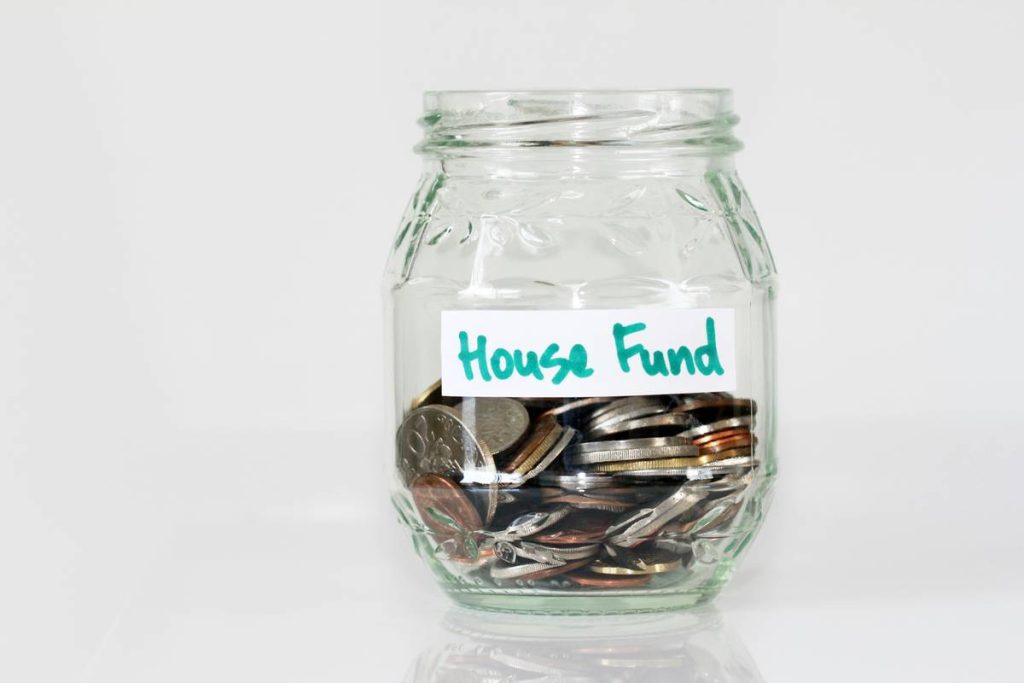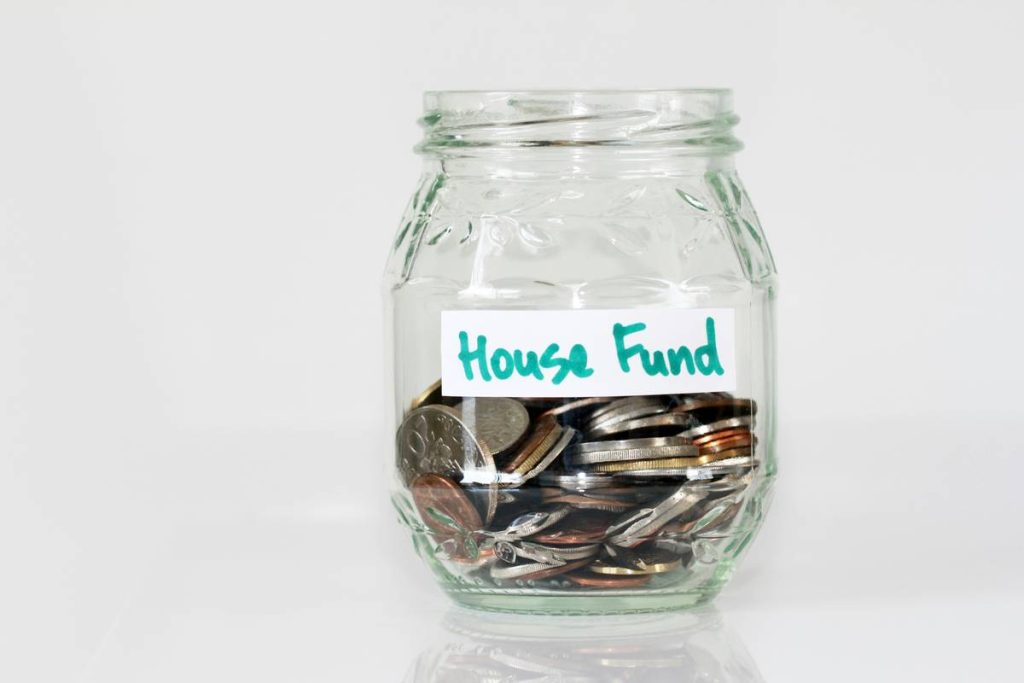
You’ve heard the advice: “Save three to six months of expenses.” But life doesn’t run on averages—it runs on curveballs. Job loss. Medical emergencies. Car repairs that cost more than your monthly rent. And if your emergency fund can’t cover those? You’re back to credit cards, payday loans, or worse—begging. The solution isn’t just saving more. It’s building a fully funded emergency fund tailored to your real risk profile—not some one-size-fits-all myth.
Why the Standard “3–6 Months” Rule Is Failing Millions
Three to six months sounds safe—until it isn’t. That range assumes stable income, employer-provided health insurance, and no dependents. Reality? Freelancers, gig workers, and single parents face wildly different risks. A salaried accountant in Seattle isn’t playing the same game as a rideshare driver in Phoenix with two kids and chronic asthma.
And most budgeting templates treat all spending as equal. Housing? Non-negotiable. Netflix subscription? Maybe not. But when disaster strikes, you don’t cut streaming—you tap savings. Yet 68% of Americans can’t cover a $1,000 surprise bill (Bankrate, 2023). Why? Because they followed generic rules that ignored their actual vulnerability.
Step-by-Step Blueprint to a Fully Funded Emergency Fund
Forget copying your neighbor’s strategy. Your emergency fund must reflect your income volatility, fixed obligations, and personal risk tolerance. Here’s how to build one that holds up when everything else falls apart.
Calculate Your True Baseline Expenses
List only non-negotiable costs: rent/mortgage, utilities, groceries, minimum debt payments, essential insurance, and basic transportation. Skip vacations, dining out, or Amazon Prime. This is your survival budget—not your lifestyle.
Adjust for Income Instability
If your income swings (freelance gigs, commission-based work), multiply your baseline by 8–12 months. Stable salary with strong job market demand? Six months may suffice. Two-income household where both jobs are replaceable within 30 days? Maybe four. One earner supporting three kids in a shrinking industry? Think nine months minimum.
Choose the Right Savings Vehicle
Your emergency cash needs liquidity and safety—not growth. High-yield savings accounts (HYSA) beat traditional savings by miles. Avoid CDs (early withdrawal penalties), stocks (volatile), or crypto (obviously). And never park it in checking—it’s too easy to spend.
| Account Type | Avg. APY (2024) | Liquidity | Federal Insurance | Ideal For |
|---|---|---|---|---|
| High-Yield Savings Account | 4.00% – 5.50% | Instant (1–3 days) | FDIC insured | Fully funded emergency fund core balance |
| Money Market Account | 4.25% – 5.25% | Same-day with debit/check | FDIC insured | Those wanting check-writing access |
| Traditional Savings | 0.01% – 0.50% | Instant | FDIC insured | Not recommended—too low yield |
| Certificate of Deposit (CD) | 4.50% – 5.75% | Locked (3–18 months) | FDIC insured | Laddering for excess savings—not emergency core |

The Industry Secret: Tiered Reserves Beat Lump-Sum Thinking
Here’s what no personal finance influencer admits: your emergency fund shouldn’t be one big pile of cash. Split it.
Keep 1 month in a checking account for true “midnight crisis” access—like a flat tire at 2 a.m. Store months 2–6 in a HYSA under a different bank (so temptation is lower). Then, for the truly prepared: allocate months 7–12 into a short-term CD ladder or ultra-short bond ETF in a taxable brokerage—still accessible within 5 business days but earning slightly more.
This structure acknowledges human behavior. If it’s too easy to dip into, it disappears. If it’s too hard, you won’t use it when needed. Balance friction with function.

FAQ: Emergency Fund Essentials
How much is a fully funded emergency fund?
It covers 3–12 months of essential living expenses—based on your income stability, dependents, and job market—not a fixed number.
Where should I keep my emergency fund?
Primarily in an FDIC-insured high-yield savings account. Keep a small portion (~1 month) in checking for immediate access.
Should I invest my emergency fund to earn more?
No. Principal protection and instant access trump returns. Even “safe” investments carry liquidity or value risk during crises.