
Ever panicked when your car broke down… only to realize your “emergency fund” was just $23.78 and a half-eaten bag of gummy worms? You’re not alone. Nearly 44% of Americans can’t cover a $1,000 emergency, according to the Federal Reserve. So why are you Googling “federal grant funds rules” while staring at your empty savings account?
Here’s the truth bomb: federal grant funds aren’t personal piggy banks. And confusing them with emergency savings is like using a flamethrower to toast marshmallows—overkill, dangerous, and likely to get you fined.
In this post, I’ll clarify what federal grant funds rules actually mean, why they have zero relevance to your personal emergency fund, and—more importantly—how to build a real safety net that won’t vanish faster than your 2005 iPod playlist. You’ll learn:
- Why federal grants ≠ free money for your leaky roof
- The actual rules governing federal grant disbursement (spoiler: it’s bureaucratic ballet)
- How to build a true emergency fund in 3 stress-free steps
- Real-life case studies of people who stopped chasing grants and started saving
Table of Contents
- Key Takeaways
- Wait—Are Federal Grants for Personal Emergencies?
- How to Build a Real Emergency Fund (No Grant Needed)
- Best Practices for Emergency Savings That Actually Work
- Real People, Real Results: Emergency Fund Wins
- FAQs About Federal Grants & Emergency Savings
- Final Thoughts
Key Takeaways
- Federal grant funds are awarded to organizations—not individuals—for specific public purposes like research, infrastructure, or education.
- There are no federal grants for personal emergencies, debt relief, or general living expenses under normal circumstances.
- Emergency funds should be liquid, accessible, and separate from other savings—ideally covering 3–6 months of essential expenses.
- Misunderstanding federal grant rules can lead to scams; always verify via Grants.gov, the official U.S. government site.
Wait—Are Federal Grants for Personal Emergencies?
Let’s get brutally honest: I once spent two weeks filling out a 47-page application for a “disaster relief grant” after my basement flooded. I cited mold, ruined textbooks, and emotional trauma (okay, maybe I exaggerated the last one). Three months later? Rejection letter stating: “Individuals do not qualify for federal grant funding under this program.”
Sounds like your laptop fan during a 4K render—whirrrr—then silence.
Here’s the hard truth: Federal grant funds are governed by strict statutory and regulatory frameworks outlined in the Uniform Administrative Requirements (2 CFR Part 200). These rules dictate that grants go to states, nonprofits, universities, or tribal governments—not Joe Schmo trying to fix his water heater.
According to the Office of Management and Budget (OMB), over 90% of federal grants flow to institutional recipients. The few individual exceptions—like Pell Grants or NIH research fellowships—require enrollment in qualifying programs, not just a sob story about your dog eating your rent check.
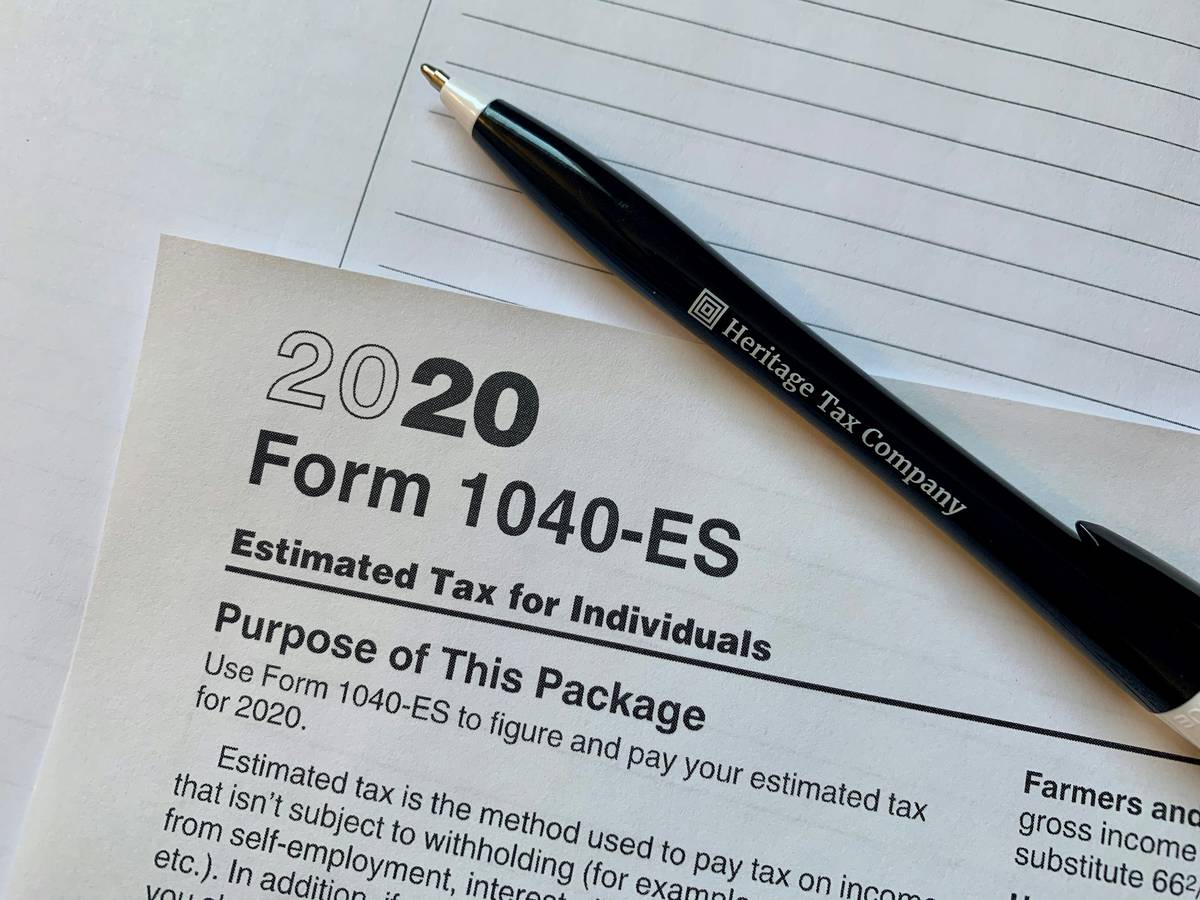
Meanwhile, scammers love preying on this confusion. The FTC reports thousands of fake “free grant” schemes yearly, often demanding upfront fees. Don’t fall for it.
Optimist You:
“But maybe there’s a loophole!”
Grumpy You:
“Ugh, fine—but only if coffee’s involved. And no, Karen from Facebook’s ‘secret government cash’ PDF doesn’t count as a source.”
How to Build a Real Emergency Fund (No Grant Needed)
Forget chasing phantom federal grants. Your emergency fund is your personal financial immune system. Here’s how to build it properly:
Step 1: Calculate Your True Essentials
Add up non-negotiable monthly costs: rent, utilities, groceries, insurance, minimum debt payments. Ignore Netflix and takeout. For most, this lands between $1,500–$3,500/month.
Step 2: Start Small—Then Scale
Begin with a $500 “mini-fund.” Then aim for 1 month, then 3–6 months. Automate $25/paycheck if needed. Consistency beats size.
Step 3: Park It Right
Use a separate high-yield savings account (HYSA). Why? It earns 4–5% APY (as of 2024), isn’t tied to daily spending, and feels “locked” psychologically. Ally, Marcus, or Discover are solid picks.
This strategy is chef’s kiss for drowning algorithm-induced panic.
Best Practices for Emergency Savings That Actually Work
- Separate accounts = fewer mental leaks. Never mix emergency cash with vacation or investment funds.
- Replenish fast after use. Treat withdrawals like credit card debt—pay it back ASAP.
- Adjust with life changes. Had a baby? Changed jobs? Recalculate your buffer.
- Ignore “get rich quick” noise. This isn’t an investment—it’s insurance. Safety > returns.
Terrible Tip Disclaimer:
❌ “Just use your credit card for emergencies!”
Reality: High-interest debt worsens crises. Save first, swipe never.
Real People, Real Results: Emergency Fund Wins
Case Study 1: Maria, 34, Teacher (Austin, TX)
After Hurricane Ida damaged her apartment, Maria tapped her $4,200 emergency fund to cover temporary housing—no loans, no panic. She rebuilt it in 5 months via automatic $200 biweekly transfers. No grant paperwork. Just discipline.
Case Study 2: Devin, 28, Freelancer (Portland, OR)
When a client ghosted him on a $3K invoice, Devin’s 3-month fund kept him afloat while he pitched new gigs. “That money bought me time—and dignity,” he told me over burnt coffee at our local co-working space.
These aren’t lottery wins. They’re results of boring, consistent saving—the anti-viral, anti-hustle alternative to begging for “free government money.”
FAQs About Federal Grants & Emergency Savings
Can individuals apply for federal grants?
Rarely—and only for specific purposes like scientific research (NIH), farming (USDA), or higher education (Pell Grants). General personal emergencies? No.
Are there government programs for emergency financial help?
Yes—but they’re usually loans (SBA disaster loans) or state-level assistance (TANF, LIHEAP), not grants. Visit USA.gov’s help portal for verified options.
What’s the difference between a grant and a benefit?
Grants fund projects; benefits support individuals (like SNAP or unemployment). Confusing them leads to dead ends.
How much should my emergency fund be?
Aim for 3–6 months of essential expenses. If you’re self-employed or in a volatile industry, lean toward 6–12 months.
Final Thoughts
Federal grant funds rules exist to steward taxpayer dollars for public good—not to bail out your overdue car payment. Chasing them for personal emergencies wastes time and invites scams.
Your real power lies in building your own emergency fund: small, steady, and sovereign. It won’t come with red tape or a 47-page form. Just peace of mind that’s truly yours.
Like a Tamagotchi, your emergency fund needs daily care. Feed it $10 today. Your future self will send confetti.
Haiku break:
Rain leaks through the roof.
No grant knocks, but savings hum.
Peace sleeps in HYSA.