What if your car died tomorrow—and you had zero dollars in the bank? You’re not alone. A 2023 Federal Reserve report revealed that 37% of Americans couldn’t cover a $400 emergency expense without borrowing or selling something. Yikes.
If “emergency unsecured personal finance” sounds like jargon—but feels urgent—you’re in the right place. In this guide, we’ll cut through the noise to show you how to build, protect, and strategically tap into an emergency fund *without* falling into high-interest debt traps. You’ll learn:
- Why “unsecured” matters more than you think
- How much to save (spoiler: it’s not always “6 months”)
- When—and how—to use personal loans as a last resort
- Real mistakes I made (and you can avoid)
Table of Contents
- Why Emergency Funds Are Your Financial Seatbelt
- How to Build an Emergency Fund the Right Way
- Best Practices for Managing Emergency Unsecured Personal Finance
- Real Case Study: Sarah’s $5,000 Emergency
- FAQ: Emergency Unsecured Personal Finance
Key Takeaways
- An emergency fund should be liquid, accessible, and kept separate from investments.
- “Unsecured” means no collateral—so credit cards or personal loans carry risk if used for emergencies.
- Aim for 1–3 months of essential expenses first, then scale to 6+ months.
- Only consider emergency unsecured personal finance options *after* exhausting savings.
- Automate contributions—even $20/week builds resilience over time.
Why Emergency Funds Are Your Financial Seatbelt?
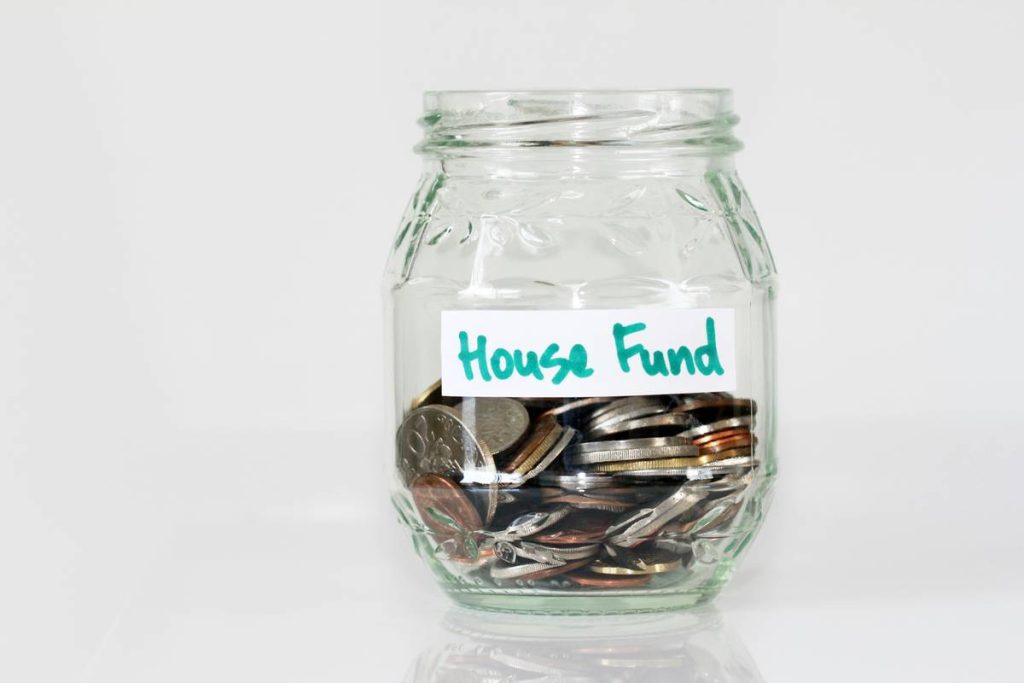
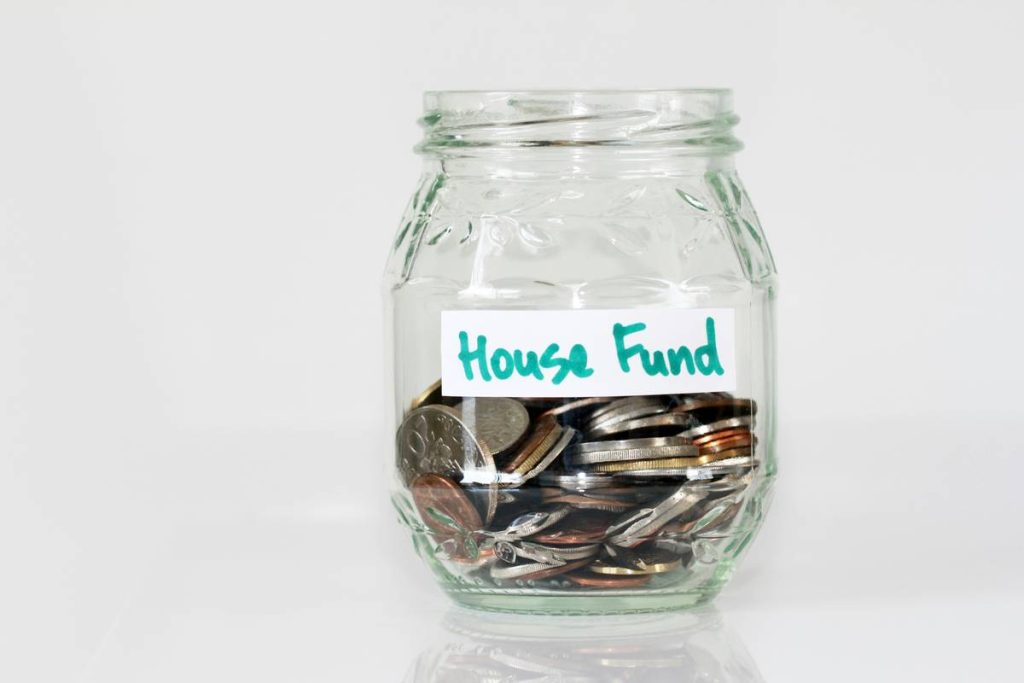
Think of your emergency fund like a seatbelt: you hope you never need it, but when you do, it saves your life (financially speaking). Yet too many people treat emergencies as “someone else’s problem”—until their AC dies in July or they get laid off mid-quarter.
I learned this the hard way in 2019. My freelance client vanished overnight—$3,200 gone. No contract, no recourse. Panic mode: Whirrrr. Sounds like my laptop fan during a 4K render, but louder—because rent was due in 10 days. I maxed a credit card with a 24.99% APR. That $3,200 cost me $890 in interest over 18 months. Ouch.

That’s where “emergency unsecured personal finance” enters the chat—not as a solution, but as a last-resort warning label. Unsecured loans (no home or car backing them) are easy to get… but expensive. According to Bankrate (2024), average unsecured personal loan rates range from 9.5% to 29.9%. Compare that to a true emergency fund: 0% interest, zero stress.
How to Build an Emergency Fund the Right Way
Forget vague advice like “save more.” Let’s get surgical.
Step 1: Calculate Your True Emergency Baseline
Don’t default to “6 months.” Start with essentials only: rent/mortgage, utilities, groceries, insurance, minimum debt payments. For most, 1 month = $2,000–$4,000. Use the formula:
Monthly Essentials × 1 = Starter Goal.
Step 2: Choose the Right Account
Your emergency fund must be:
- Liquid (accessible in <72 hours)
- Separate from checking/savings used daily
- Low-risk (high-yield savings accounts yield 4–5% APY—yes, please)
Optimist You: “I’ll open a HYSA today!”
Grumpy You: “Ugh, fine—but only if coffee’s involved.” (Pro tip: Link auto-transfers to your morning coffee purchase.)
Step 3: Automate Like It’s Your Job
Set up recurring transfers on payday. Even $15/week = $780/year. Consistency beats magnitude.
Step 4: Know When to Tap It (and When Not To)
True emergencies: job loss, medical crisis, critical home/car repair.
Not emergencies: Black Friday deals, vacations, or “investing opportunities.”
Best Practices for Managing Emergency Unsecured Personal Finance
Let’s be real: sometimes, even the best-laid plans fail. If you *must* use unsecured financing, follow these rules:
- Exhaust savings first. Every dollar borrowed costs you later.
- Compare lenders rigorously. Use NerdWallet or Bankrate to filter by APR, fees, and repayment terms.
- Avoid payday loans at all costs. APRs can exceed 400%—this is financial quicksand.
- Never borrow more than needed. That extra $500 “just in case” becomes $650 with interest.
- Have a payoff plan before signing. If you can’t pay it off in 12–24 months, reconsider.
Terrible Tip Disclaimer
“Just use a 0% intro APR credit card!” — This sounds smart until Month 13 hits and you’re slammed with 27% interest on the remaining balance. Only do this if you’re 100% certain you’ll pay it off before the promo ends. (Spoiler: Most don’t.)
Rant Section: My Pet Peeve
Why do finance gurus say “pay yourself first” like it’s easy for gig workers or single parents? Budgeting isn’t one-size-fits-all. If you’re choosing between insulin and savings, the system failed you—not your willpower. Emergency planning must acknowledge income volatility. Period.
Real Case Study: Sarah’s $5,000 Emergency
Sarah, a 34-year-old teacher in Ohio, built a $3,500 emergency fund over 18 months ($65/paycheck). When her furnace died in January ($4,800 repair), she used $3,500 from savings and took a $1,500 unsecured personal loan at 11.9% APR from her credit union.
She paid it off in 10 months ($158/month). Total interest: $78.
Had she used a credit card at 24% APR? Interest would’ve been ~$190—and taken 3+ years to repay.
Moral: Even partial savings drastically reduce reliance on expensive debt. Her emergency unsecured personal finance move was strategic—not desperate.
FAQ: Emergency Unsecured Personal Finance
What does “unsecured” mean in personal finance?
Unsecured loans or credit aren’t backed by collateral (like your house or car). Lenders approve based on credit score/income—making them riskier (for you and them), hence higher interest rates.
Can I use an emergency fund for non-emergencies?
No. Once you raid it for non-critical spending, it stops being an emergency fund. Replenish immediately if you must dip in.
How fast should I build my emergency fund?
Aim for $500–$1,000 in 30–60 days, then scale to 1–3 months of essentials within 12 months. Progress > perfection.
Are personal loans ever a good emergency option?
Only if: (1) savings are exhausted, (2) it’s lower-cost than credit cards, and (3) you have a clear payoff timeline. Always compare offers.
Where should I keep my emergency fund?
High-yield savings accounts (Ally, Marcus, Capital One) offer FDIC insurance + 4–5% APY. Avoid stocks, crypto, or CDs with early withdrawal penalties.
Conclusion
Emergency unsecured personal finance isn’t a strategy—it’s a symptom of inadequate preparation. Your true power lies in building a buffer that keeps you out of debt when life inevitably shakes things up. Start small. Automate. Protect it fiercely. And remember: financial resilience isn’t about being rich—it’s about refusing to let surprises ruin your stability.
Like a Tamagotchi, your emergency fund needs daily care—or it dies. Feed it $5 today.
Cash in hand
Beats debt’s heavy anchor—
Peace sleeps soundly.