Ever opened your bank app during a crisis—flat tire, broken AC, surprise vet bill—and felt your stomach drop like you’re in a stalled elevator? You’re not alone. A 2023 Federal Reserve report found that 37% of Americans couldn’t cover a $400 emergency without borrowing or selling something. Ouch.
This post cuts through the noise around “emergency funds” and dives deep into what an emergency fund definition finance actually means—not just textbook jargon, but real-world strategy backed by data, personal blunders, and battle-tested tactics. You’ll learn:
- What qualifies (and doesn’t) as a true emergency,
- Exactly how much you need—and where to stash it,
- A step-by-step plan that won’t wreck your budget,
- Real mistakes I’ve made (yes, including that time I used my “emergency” cash for concert tickets).
Table of Contents
- What Is an Emergency Fund, Really?
- How to Build an Emergency Fund: Step-by-Step
- Best Practices for Emergency Fund Planning
- Real-Life Emergency Fund Case Studies
- Emergency Fund FAQs
Key Takeaways
- An emergency fund is liquid cash reserved only for true financial emergencies—not vacations, upgrades, or “deals.”
- Most experts recommend 3–6 months of essential expenses—not income—as your target.
- Start small: $500 can prevent debt spirals from minor crises.
- Keep it in a high-yield savings account (HYSA)—accessible but separate from daily spending.
- Automate contributions to make saving effortless and consistent.
What Is an Emergency Fund, Really?
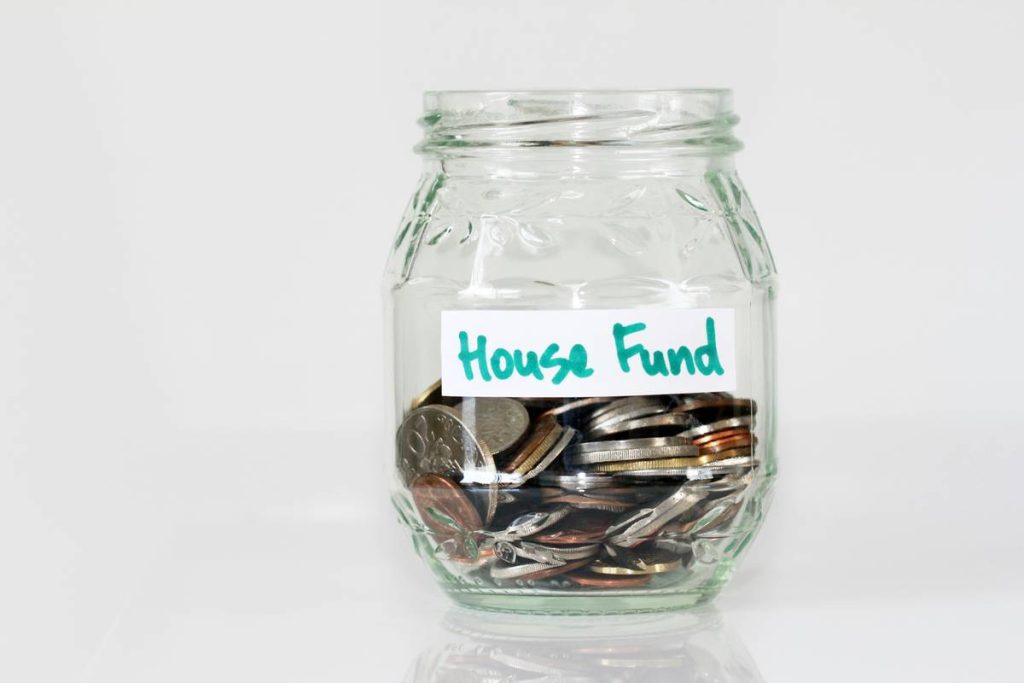
Let’s clear the fog. In personal finance circles, the emergency fund definition finance professionals use isn’t just “extra money.” It’s a dedicated pool of liquid, low-risk cash set aside exclusively for unexpected, necessary, and urgent expenses that threaten your financial stability.
Think: job loss, medical deductible, major car repair, or urgent home fix (burst pipe, hello!). Not: new iPhone launch, Black Friday haul, or “I deserve this” spa weekend. (Confession time: I once dipped into my emergency stash for Coachella tickets because “FOMO is real,” right? Wrong. Two weeks later, my transmission died. I cried in a parking lot while Googling “personal loans no credit check.” Yeah. Don’t be me.)

The stakes are real. Without this buffer, life’s inevitable curveballs force you into high-interest debt—credit cards averaging 24.7% APR (Federal Reserve, Q1 2024)—or risky withdrawals from retirement accounts. An emergency fund isn’t about wealth; it’s about resilience. It’s your financial airbag: you hope never to need it, but you’ll be glad it’s there when the crash comes.
How to Build an Emergency Fund: Step-by-Step
Building one feels overwhelming until you break it down. Here’s how I guide clients (and rebuild mine after the Coachella fiasco):
Step 1: Calculate Your True Monthly Essentials
Don’t use your take-home pay. List only survival-level expenses: rent/mortgage, utilities, groceries, minimum debt payments, insurance, and basic transportation. For example:
- Rent: $1,200
- Utilities: $150
- Groceries: $400
- Car payment/insurance: $300
- Health insurance: $200
- Total essentials: $2,250/month
Your target = 3–6 × this number. So $6,750–$13,500.
Step 2: Start With a Mini-Fund ($500)
Before chasing 6 months, build a $500 buffer first. Why? Because 78% of emergencies cost under $1,000 (Bankrate, 2023). This tiny cushion stops small shocks from becoming debt disasters.
Step 3: Choose the Right Account
Your emergency fund needs to be:
- Liquid: Accessible within 1–3 days.
- Safe: FDIC-insured, zero market risk.
- Separated: Not linked to your checking for easy spending.
Verdict: A high-yield savings account (HYSA). Top HYSAs currently offer ~4.50% APY—beating inflation while keeping cash safe. Avoid CDs (early withdrawal penalties) or brokerage accounts (market volatility).
Step 4: Automate Micro-Contributions
Set up an automatic transfer from checking to your HYSA on payday—even $10–$25 per paycheck. Consistency beats size. Missed a transfer? Grumpy You mutters, “Ugh, fine—but only if coffee’s involved.” Optimist You replies, “That $20 is future-you’s lifeline!”
Best Practices for Emergency Fund Planning
Once you’re building, protect your progress:
- Never “double-dip”: Your emergency fund is not a vacation fund, a side-hustle seed fund, or a holiday slush fund. Period.
- Replenish immediately after use: If you tap it, treat repayment like a non-negotiable bill.
- Adjust for life changes: New baby? Job change? Recalculate your essentials every 6–12 months.
- Park windfalls: Tax refunds, bonuses, or gift money? Allocate 50%+ to your emergency fund.
- Track it separately: Use budgeting apps like YNAB or Mint to label and monitor this category distinctly.
🚨 TERRIBLE TIP DISCLAIMER: “Just keep it all in your checking account—it’s easier!” Nope. Out of sight = out of mind. Commingling invites accidental spending. Keep it separate!
Rant Time: My Pet Peeve About “Emergency Funds”
Why do so many gurus say “save 6 months of income”? That’s reckless for hourly workers, freelancers, or those with variable pay! Your emergency fund should cover expenses, not income. If you earn $8,000/month but only spend $3,000, why save $48,000? That’s inefficient and discouraging. Focus on what you *need* to survive—not what you *make*. End rant.
Real-Life Emergency Fund Case Studies
Case 1: Maria, Teacher (Income: $48K/year)
Maria built a $1,000 mini-fund in 4 months by saving $60/paycheck. When her water heater exploded ($920), she paid cash—no credit card, no stress. She then rebuilt her fund while saving toward her 3-month goal ($7,200).
Case 2: Dev, Freelance Developer (Variable Income)
Dev targeted 6 months of *expenses* ($18,000), not income. He automated 10% of every client payment into his HYSA. After 14 months, he lost a major client. His emergency fund covered 5 months of bills while he landed new work—zero panic, zero debt.
These aren’t outliers. They’re proof that disciplined, realistic planning works.
Emergency Fund FAQs
What’s the official emergency fund definition in finance?
In personal finance, an emergency fund is a reserve of liquid, easily accessible cash held in a low-risk account (like a HYSA) designated solely for unexpected, necessary, and urgent expenses that could otherwise cause financial hardship or debt.
Where should I keep my emergency fund?
A high-yield savings account (HYSA) from an FDIC-insured bank. It offers safety, liquidity, and interest—without market risk or withdrawal penalties.
How much should I save first?
Start with $500. Then aim for 3–6 months of essential living expenses—not total income.
Can I use my emergency fund for non-emergencies?
No. Doing so defeats the purpose. If you must, treat it like a loan to yourself and repay it immediately.
Does investing my emergency fund make sense?
Absolutely not. Emergency funds must be 100% principal-protected and instantly accessible. Stocks, crypto, or bonds introduce risk and delay—precisely what you’re trying to avoid.
Conclusion
An emergency fund definition finance isn’t academic—it’s your frontline defense against financial chaos. It’s not about being rich; it’s about being ready. Start small, stay consistent, and protect it fiercely. Remember: that $500 today might save you $5,000 in credit card interest tomorrow. Your future self—calm, composed, and debt-free during a crisis—will thank you.
Like a Tamagotchi, your emergency fund needs daily care. Feed it $10. Pet it with automation. And never, ever let it die.
Haiku:
Rain falls on roof leak—
Savings account stays dry, calm.
No credit card swipes.