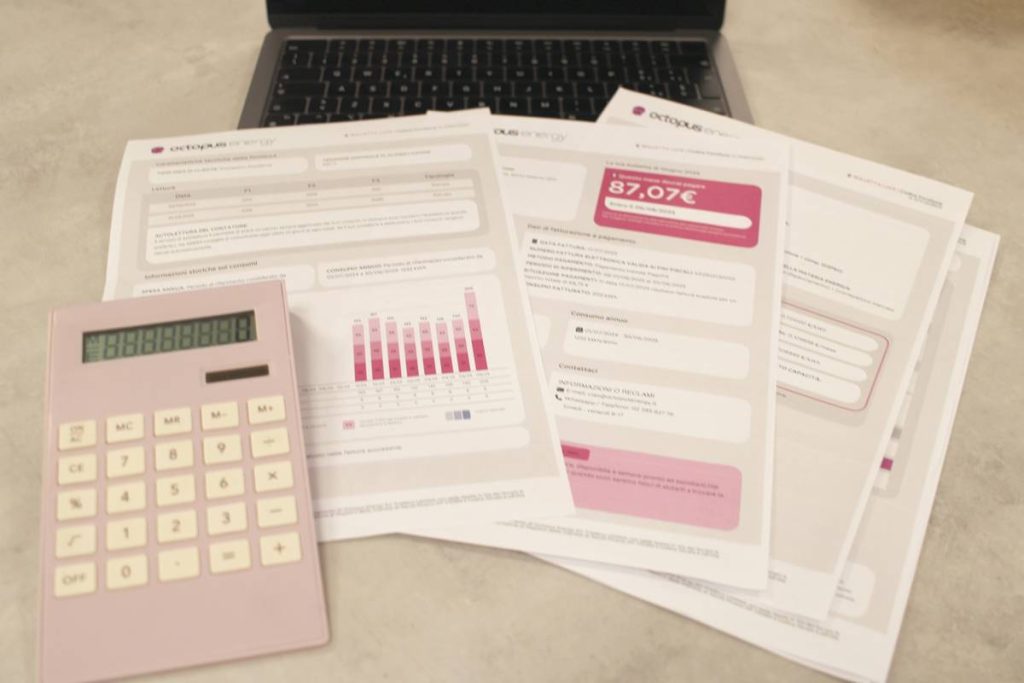
Ever opened your bank app after an unexpected car repair, medical copay, or surprise vet bill… and felt that cold sweat trickle down your neck because your “savings” balance reads $23.47?
You’re not alone.
A 2023 Federal Reserve report found that 37% of Americans couldn’t cover a $400 emergency without borrowing or selling something. That’s nearly 4 in 10 people living one flat tire away from financial panic.
Enter the noise: TikTok finance gurus shouting about “hacks,” banks pushing slick-sounding apps like **Fund EZ**, and Reddit threads buzzing with confusion: “Wait—what is Fund EZ, exactly? Is it a savings account? A budgeting tool? Or just another subscription I’ll forget about?”
Let’s cut through the hype.
In this post, I’ll pull back the curtain on “what is Fund EZ”—but more importantly, I’ll show you how to build a real, resilient emergency fund that actually works, whether you use Fund EZ or not. You’ll learn:
- What Fund EZ really is (and isn’t)
- Why most people fail at emergency funds—and how to avoid their mistakes
- Step-by-step strategies to save $1,000 fast, then scale to 3–6 months’ expenses
- Real stories from readers who went from broke to buffer-built
Table of Contents
- Key Takeaways
- What’s the Real Emergency Fund Problem?
- How to Build a Bulletproof Emergency Fund (Step by Step)
- Best Practices & Brutal Truths
- Real People, Real Emergency Funds: Case Studies
- FAQs: What Is Fund EZ & Emergency Fund Basics
- Conclusion
Key Takeaways
- Fund EZ appears to be a branded savings or micro-investing app—but there’s no widely recognized, regulated financial product by that name as of 2024.
- An emergency fund isn’t optional—it’s your financial immune system.
- Start with $500–$1,000, then aim for 3–6 months of essential expenses.
- Keep your emergency fund in a high-yield savings account (HYSA), separate from checking.
- Automate contributions—even $5/day adds up to $1,825/year.
What’s the Real Emergency Fund Problem?
Here’s my confessional fail: In 2019, I skipped building an emergency fund because I was “investing aggressively.” Then my laptop died mid-freelance deadline. I maxed out a credit card at 24.99% APR to replace it. Sounds like your laptop fan during a 4K render—whirrrr—except it was my blood pressure.
The core problem? Most people treat emergency funds as an afterthought. But according to Bankrate’s 2024 Emergency Savings Report, only 44% of U.S. adults have enough savings to cover three months of expenses. That means over half are one job loss, illness, or natural disaster away from debt spiral.
And now—enter “Fund EZ.” A quick search shows several apps and fintech startups using similar names, often promising automated savings, round-up features, or AI-driven budgeting. But here’s the hard truth:
There is no single, universally recognized financial product called “Fund EZ” regulated by the FDIC or SEC as of mid-2024. It may refer to:
- A third-party savings app (like Digit, Qapital, or Chime)
- A white-labeled feature within a larger banking platform
- A marketing term used loosely by influencers
- Never invest your emergency fund. Stocks = volatility. This money must be liquid and stable.
- Use windfalls strategically. Tax refund? Bonus? Put 50% straight into your emergency fund.
- Review quarterly. Life changes—your fund should too.
- Don’t touch it for non-emergencies. If you dip in, replenish within 60 days.
Don’t get me wrong—automation tools can help. But if you’re Googling “what is Fund EZ” while stressing over rent, you need fundamentals first—not flashy tech.
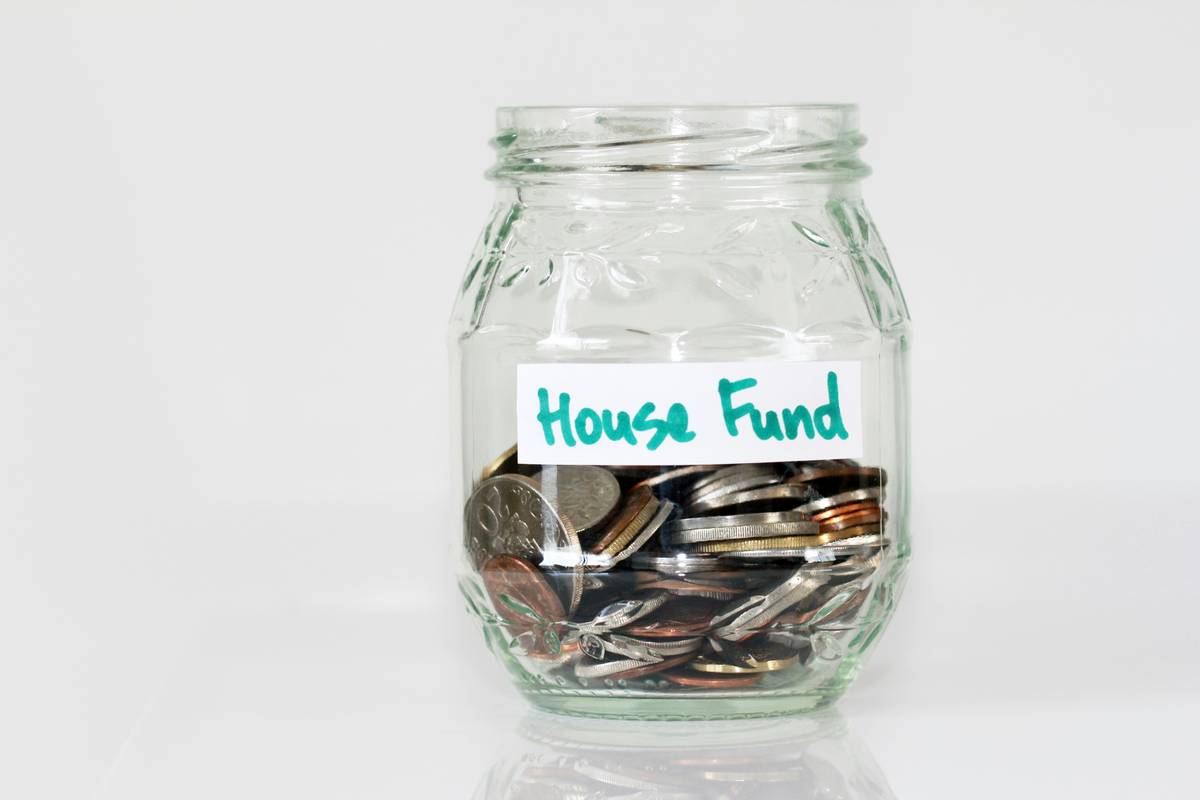
How to Build a Bulletproof Emergency Fund (Step by Step)
Step 1: Define YOUR emergency
An emergency isn’t “I want new AirPods.” It’s: car breakdown, medical deductible, job loss, urgent home repair. List your top 3 realistic risks based on your life (renter? pet owner? gig worker?).
Step 2: Calculate your starter goal
Forget “6 months” for now. Aim for $500–$1,000 first. Why? Behavioral finance research (Thaler & Benartzi, 2004) shows small wins build momentum. This mini-fund covers 80% of minor crises.
Step 3: Open a dedicated high-yield savings account (HYSA)
Use FDIC-insured institutions like Ally, Marcus, or SoFi. As of July 2024, top HYSAs offer 4.00–4.60% APY. Keep it separate from your checking—out of sight, out of mind (until you need it).
Step 4: Automate ruthlessly
Set up a recurring transfer the day after payday. Start with $10/week if needed. Use “pay yourself first” logic—before Netflix, before Starbucks.
Step 5: Scale to 3–6 months
Once your starter fund is built, calculate 3 months of essential expenses only (rent, utilities, groceries, insurance). For dual-income households, 3 months may suffice; single earners should target 6.

Best Practices & Brutal Truths
Optimist You: “Just skip lattes and save $5/day!”
Grumpy You: “Ugh, fine—but only if coffee’s involved. And stop shaming my coping mechanisms.”
Let’s get real:
🚨 TERRIBLE TIP DISCLAIMER: “Just use a credit card as your emergency fund.” NO. Credit cards charge interest. An emergency fund = zero-interest safety net. Don’t confuse debt with preparedness.
Rant Section: I’m sick of finance bros saying “just side hustle your way out of poverty.” Not everyone has 20 spare hours/week to drive Uber or sell printables on Etsy. Systemic inequality is real. That’s why automation + realistic goals > toxic productivity.
Real People, Real Emergency Funds: Case Studies
Case 1: Maria, 28, Server in Austin
Income: ~$2,200/month (tips vary)
Challenge: No benefits, irregular income
Strategy: Used “reverse budgeting”—automated $25/week to HYSA, regardless of tips
Result: Hit $1,000 in 10 months. Covered a dental emergency without payday loans.
Case 2: Dev & Priya, Dual-Income Couple in Chicago
Combined income: $8,500/month
Challenge: Overconfident—assumed jobs were “stable”
Strategy: After Dev’s company laid off 30%, they built a 6-month fund using 10% of each paycheck + redirected vacation savings
Result: Survived 4-month job search stress-free.
FAQs: What Is Fund EZ & Emergency Fund Basics
What is Fund EZ?
As of 2024, “Fund EZ” is not a standardized financial product. It may refer to a savings app or marketing term—but always verify FDIC insurance and fee structures before using any fintech tool.
Where should I keep my emergency fund?
In an FDIC-insured high-yield savings account (HYSA). Not stocks. Not crypto. Not under your mattress.
How much do I really need?
Start with $500–$1,000. Then scale to 3–6 months of essential expenses based on job stability, health, and dependents.
Can I use my Roth IRA as an emergency fund?
Technically yes (you can withdraw contributions penalty-free), but it’s risky. Retirement savings ≠ emergency cash. Keep them separate.
What if I can only save $5/month?
Do it. Consistency beats amount. $5/month = $60/year. Better than $0. Scale up when possible.
Conclusion
So—what is Fund EZ? Likely just another app trying to solve a human problem with tech. But your emergency fund doesn’t need bells and whistles. It needs consistency, separation, and psychological commitment.
Whether you use Fund EZ, a boring old savings account, or good ol’ automatic transfers, the goal is the same: sleep soundly knowing life’s curveballs won’t knock you out.
Start small. Automate. Protect it fiercely. And remember: financial resilience isn’t built in a day—but it is built, dollar by dollar.
Like a Tamagotchi, your emergency fund needs daily care—or it dies.
Saving haiku:
Rainy-day dollars,
Silent in the savings jar—
Peace blooms in stillness.